Commentary: Does it really get harder to sleep after a certain age?
SINGAPORE: It's 4am and you're tossing and turning in bed, trying to squeeze in a few hours of sleep before another long day of piece of work and meetings.
Information technology's a tale often too familiar. Co-ordinate to latest research, Singaporeans now boilerplate just 6.8 hours of slumber a night, with as lilliputian as one in five adults (21 per cent) feeling well-rested when they wake up and three in 10 (28 per cent) even feeling that they are getting less sleep than they were a year before.
And Singapore is non alone – one-half of the 13 countries surveyed in Philips' global slumber written report boilerplate less than 7 hours of sleep per night, including Nippon (6.iii hours), the The states (half dozen.5 hours) and Commonwealth of australia (6.9 hours).
While the study shows COVID-19 may take exacerbated the trouble – with many kept up by worries over their work, family, financial responsibilities and even the pandemic itself – falling and staying asleep is an issue nearly adults will face up at some betoken in their lives, especially peaking when nosotros hit our 30s.
READ: Commentary: We're sleeping more since the pandemic, but we aren't feeling rested
With research showing the extent to which sleep impacts us day-to-day – from our health, to our relationships, productivity and even our advent – getting the prescribed seven to nine hours should be a priority for all, only the cardinal to a skilful balance seems to still be shrouded in mystery and misunderstanding.
The starting point for curing the nation's sleep woes has to be finding out what is causing them.
Mod stressors and lifestyle factors are contributing to the problem. In fact, our latest poll in Singapore found worry and stress rank as the top reason for Singaporeans' lack of sleep (31 per cent) and apply of mobile devices such every bit phones and tablets as a reason for one in ten Singaporeans who have sleep trouble (13 per cent).
Merely a plethora of other influences – from sleeping environment to nutrition, exercise and health conditions – can besides play a part.
READ: Commentary: Immobility during COVID-19 and its furnishings on our sleep, physical action and well-being
DOES SLEEPLESSNESS WORSEN Every bit WE AGE?
Besides lifestyle and environmental factors, our slumber needs change over our lifetime too. Children and adolescents crave the most amount of slumber, while adults and seniors gradually tend to get less slumber over the years.
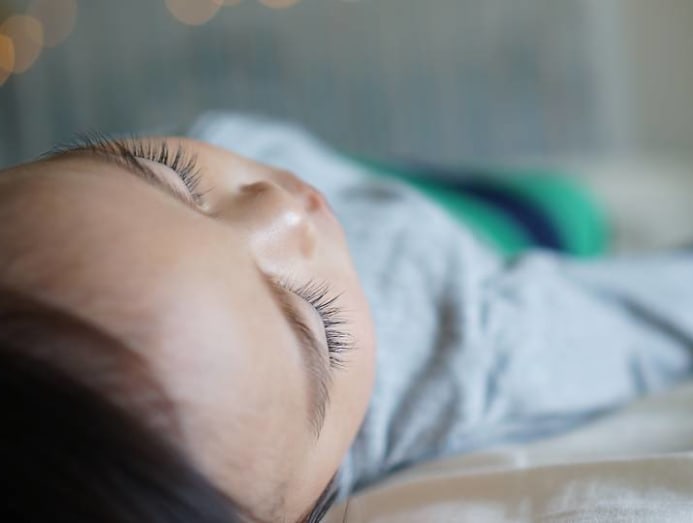
While studies take tracked sleep bug emerging from the age of 11 or 12, these well-nigh significantly spike from one's early 30s and persist across our lifetimes, progressively worsening into our greyness years.
An inevitable aspect as nosotros go older, sleep issues ascend mainly due to the biological changes inside our body, where our circadian system and sleep homeostatic mechanisms that regulate our sleep cycles become less robust and deteriorate, leading to sleep issues that pitter-patter in.
Combined with work-related stresses and disrupted slumber schedules from starting a family unit, information technology's little wonder those in their 30s and 40s suddenly find themselves facing a sleep crisis and unable to regain the restful slumber they had in their younger years.
READ: Commentary: Cure to burnout requires a pervasive civilisation of residual
Progressing towards the senior years, our bodies too have an impaired ability to register the need for sleep, hence it's not uncommon for older adults to be early on risers and sleep less than the recommended seven to ix hours of sleep per night.
These can also exist tied to the lifestyle changes with ageing and retiring from piece of work. Without the structure of a working day, older adults often have less structured slumber schedules with flexible bedtimes and wake-upwardly times, likewise as daytime naps, all of which can cause a poorer overall quality of sleep.
Medical illnesses, medications, cyclic rhythm disturbances, low and primary sleep disorders all get more prevalent with historic period and tin contribute to increasingly poor sleep as we become older.
READ: Commentary: Not enough time? Transforming work and sleeping better in a digital globe
TAKING Active STEPS TOWARDS BETTER Slumber
The practiced news is that solutions to many of these mutual causes of sleep trouble are within piece of cake achieve – starting with creating a relaxing sleep environment and establishing a stock-still bedtime routine. Having an early dinner, taking a cool shower, reading a book, listening to soothing music and investing in comfy pillows and bedding are all fundamental parts of a skilful bedtime routine.
Experts also concord on the importance of banishing devices from the bedroom at least 30 minutes before bedtime, reducing caffeine and alcohol consumption during the day and using meditation to clear the mind.
However, if all of these tried and tested techniques don't work, at that place could exist something more serious going on.
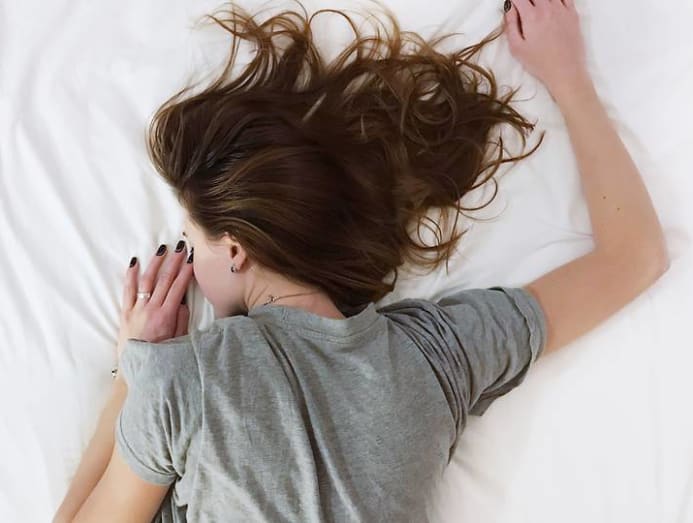
It is thought that as many as 1 in 3 Singaporeans suffer from a petty-known condition called obstructive sleep apnea (OSA), and 91 per cent of these have not fifty-fifty been diagnosed.
OSA is characterised by repeated interruptions in animate throughout the sleep cycle. These interruptions, called apneas, are caused by the collapse of soft tissue in the airway, which prevents oxygen from reaching the lungs.
This results in loud, persistent snoring, witnessed pauses in breathing, and choking or gasping for air during sleep. Such symptoms wake the individual upward periodically during the night, resulting in an interrupted night'due south rest and daytime fatigue and sleepiness the post-obit solar day.
Fear and lack of agreement appears to be hindering individuals from getting checked out for this condition. Philips' research suggests 1 in five Singaporeans are afraid to have a slumber test equally they don't want to know if they have OSA, and 17 per cent believe it is not necessary to be treated for information technology.
READ: Why snoring loudly could be linked to heart disease, hypertension or worse
READ: Commentary: Sleeping more than is essential to performing well at piece of work and school
This perception needs to alter, every bit slumber apnea can have serious health implications. Left untreated, sleep apnea tin accept short and long-term wellness risks, including high blood pressure level, heart disease, stroke, Type 2 diabetes and driving or work-related accidents due to drowsiness.
Encouragingly, one unintended positive consequence of COVID-nineteen appears to exist that Singaporeans are becoming more than comfy in seeking medical help for their sleep issues online.
Over half say the first time they had a telehealth engagement was during the pandemic and 4 in 10 Singaporeans say that they would be willing to seek help for slumber-related concerns in the time to come from a sleep specialist via telehealth services, although many have yet to do and then.
As a society, we need to first taking our slumber much more seriously for our emotional and physical health. Understanding that problems with sleeping can be caused by underlying medical issues is a large step in the right management.
Dr Tripat Deep Singh is Clinical Manager in Sleep at Philips Association of southeast asian nations Pacific.
Source: https://cnalifestyle.channelnewsasia.com/wellness/sleep-trouble-hours-covid-work-stress-routine-tips-apnea-health-178711

Post a Comment for "Commentary: Does it really get harder to sleep after a certain age?"